By
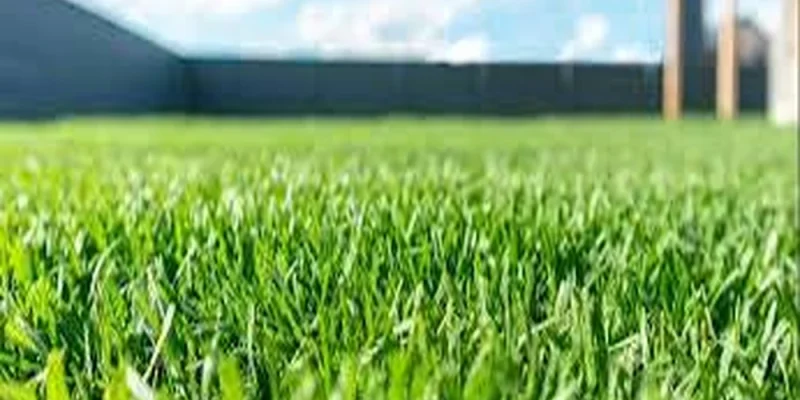
A sports field takes more punishment in one season than most lawns see in a decade. Cleats tear at the surface, players crowd the same goalmouths every week, and summer heat leaves little room for slow healing. Field managers who choose the right texas grass seeds give their turf a real advantage, because some varieties are bred to spread and repair themselves far faster than others. Pairing those grasses with smart soil care and timely overseeding keeps a surface safe and playable from the first practice to the last game. The goal is simple: grass that bounces back before the next kick-off.
Choosing Varieties Built for Heavy Traffic
Bermudagrass remains the backbone of most athletic surfaces across the state because it thrives in heat and spreads aggressively through both above-ground runners and underground stems. That spreading habit is what lets torn areas fill back in within weeks rather than months. Several seeded bermudagrass varieties have been developed specifically for sports use, offering finer texture and better wear tolerance than older common types.
- Seeded sports bermudas establish faster than sprigging large areas.
- Runners and underground stems knit damaged spots back together.
- Full sun locations deliver the strongest recovery rates.
- Shaded corners may need extra attention or a different turf plan.
Keeping Fields Green Through the Winter Season
Bermudagrass goes dormant once temperatures cool in late fall, which leaves a brown, slow-healing surface during winter sports. Many schools and parks solve this by overseeding with perennial ryegrass in September or October, giving players a green cover that handles traffic until spring. As temperatures rise again, the ryegrass fades while the bermuda base returns.
- Perennial ryegrass sprouts within one to two weeks in cool soil.
- Typical athletic overseeing rates run heavier than residential lawns.
- Scalping the bermuda before overseeding improves seed contact.
- Spring transition works best when ryegrass is mowed progressively lower.
Soil Care That Speeds Up Recovery
Grass can only heal as fast as its roots allow, and compacted soil is the most common reason fields stay thin. Repeated play presses soil particles together until water and air struggle to reach the root zone. Regular core aeration followed by light sand topdressing opens that soil back up and gives roots room to grow. Choosing texas grass seeds suited to your soil type matters just as much, since sandy and clay based fields drain very differently.
- Core aerate two or three times during the growing season.
- Topdress with sand to smooth the surface and improve drainage.
- Test soil yearly to guide fertilizer and lime decisions.
- Avoid heavy equipment on wet fields to limit compaction.
Repairing High Wear Zones Between Games
Goal areas, sideline benches, and center field always wear out first. Rather than waiting for full renovation in the offseason, managers can spot seed these zones throughout the growing season to keep ahead of damage. Moving practice drills to less worn sections gives recovering areas a chance to establish before taking more traffic.
- Rake out dead material before spreading seed on worn areas.
- Use hulled bermuda in summer and ryegrass in cooler months.
- Keep repaired spots consistently moist until seedlings are established.
- Rotate goal positions on practice fields when space allows.
Maintenance Habits That Extend Playing Life
Consistent care separates fields that hold up all season from those that collapse by midyear. Mowing frequently at the correct height encourages dense, lateral growth that resists tearing. Steady fertilization during the growing season fuels recovery, while deep, less frequent watering pushes roots further into the soil.
- Mow sports bermuda frequently at roughly one inch or lower.
- Feed regularly during active growth to support fast repair.
- Water deeply rather than lightly every day.
- Keep simple records of wear patterns to plan future repairs.
A field that recovers quickly is rarely the result of one product or one big renovation. It comes from choosing the right grass, protecting the soil beneath it, and keeping steady routines throughout the season. Managers who stay consistent with these basics will see stronger, safer surfaces year after year.