By
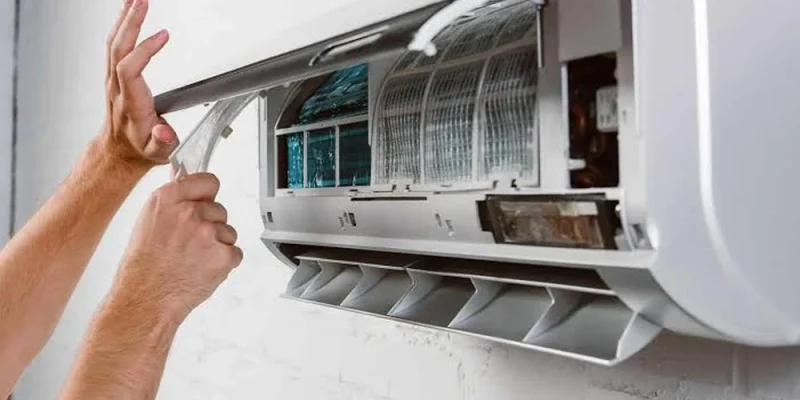
A reliable heating system does more than keep your home warm during colder months. It helps maintain consistent indoor temperatures, supports comfortable living conditions and reduces the likelihood of unexpected breakdowns. However, many homeowners assume that changing the air filter is enough to keep their heating equipment working efficiently.
Although filter replacement is important, proper heating care involves several additional checks. From inspecting electrical connections to monitoring airflow and checking safety controls, routine maintenance helps identify developing problems. Homeowners considering heating maintenance in Wilmington, NC can benefit from understanding which tasks they can handle themselves and which require professional attention.
Why Heating Maintenance Goes Beyond Air Filters
Air filters capture dust and airborne particles, helping protect heating components from excessive dirt accumulation. However, a clean filter cannot prevent every mechanical or electrical problem. Components such as motors, sensors, burners and heat exchangers also require attention to maintain safe and reliable operation.
Professional heating maintenance in Wilmington, NC typically involves inspecting essential components, checking system performance and identifying signs of wear. These assessments can uncover problems that routine filter changes would miss, potentially reducing the risk of breakdowns during periods of increased heating demand.
Check Thermostat Performance and Temperature Control
Your thermostat controls when the heating system operates and helps maintain the desired indoor temperature. Incorrect settings, faulty sensors or communication problems can cause unnecessary cycling, uneven heating or uncomfortable rooms. Homeowners should check programmed schedules and confirm that the thermostat responds appropriately when temperature settings change.
Smart thermostats can offer additional control through scheduling and remote access. However, advanced features cannot compensate for underlying equipment faults. If indoor temperatures regularly differ from thermostat readings, a heating technician can assess the controls and determine whether calibration, repairs or replacement are necessary.
Inspect Airflow and Heating Distribution
Restricted airflow makes it harder for forced-air heating systems to distribute warmth effectively. Blocked vents, dirty components and damaged ductwork may contribute to uneven temperatures and unnecessary strain on equipment. Keeping supply and return vents unobstructed allows conditioned air to circulate more freely throughout the property.
Homeowners should also pay attention to unusual airflow patterns. Rooms that remain cold despite normal thermostat settings may indicate duct leakage, ventilation restrictions or equipment problems. A professional inspection can help identify the cause rather than relying on repeated thermostat adjustments to compensate for poor heating distribution.
Pay Attention to Unusual Sounds and Smells
Heating systems produce some normal operating sounds, particularly when starting or stopping. However, persistent rattling, grinding, squealing or banging may indicate loose components, motor problems or mechanical wear. Ignoring unfamiliar noises can allow minor faults to develop into more serious issues requiring extensive repairs.
Unusual smells also deserve attention. Brief dusty odours may occur when equipment first operates after a long break, but persistent burning smells require investigation. If you smell gas or suspect a carbon monoxide problem, leave the property immediately and contact the appropriate emergency service or gas provider.
Keep Heating Components Clean and Well Maintained
Dust and debris can accumulate around heating equipment, particularly in utility rooms, cupboards and other enclosed spaces. Keeping the surrounding area clean and maintaining the manufacturer’s recommended clearances helps support safe operation. Avoid storing household chemicals, combustible materials or unnecessary belongings close to heating appliances.
Internal components require more specialised care. Depending on the system, maintenance may include inspecting burners, cleaning accessible components, checking electrical connections and examining condensate drainage. These tasks should be performed by qualified professionals because incorrect handling can damage equipment or create safety hazards.
Schedule Professional Inspections Before Colder Weather
Arranging a heating inspection before the colder season provides an opportunity to identify problems before the equipment faces increased demand. A technician can examine relevant safety controls, assess heating performance and check for signs of deterioration. Maintenance requirements will vary depending on the system’s design, age and manufacturer recommendations.
Homeowners can also support long-term equipment reliability by keeping maintenance records and monitoring changes in performance. Useful information includes previous repairs, unusual operating sounds and recurring temperature problems. Sharing these details with a technician can make inspections more focused and help identify faults that may otherwise remain unnoticed.
Conclusion
Effective heating system care involves much more than replacing air filters. Thermostat checks, unrestricted airflow, attention to unusual sounds and regular equipment inspections all contribute to dependable heating performance. Combining basic homeowner maintenance with professional servicing can help reduce avoidable problems and support efficient operation.
The most practical approach is to address small concerns before they become major repairs. Following manufacturer guidance, scheduling appropriate inspections and responding promptly to warning signs will help keep your heating system reliable, safe and ready when your household needs it most.